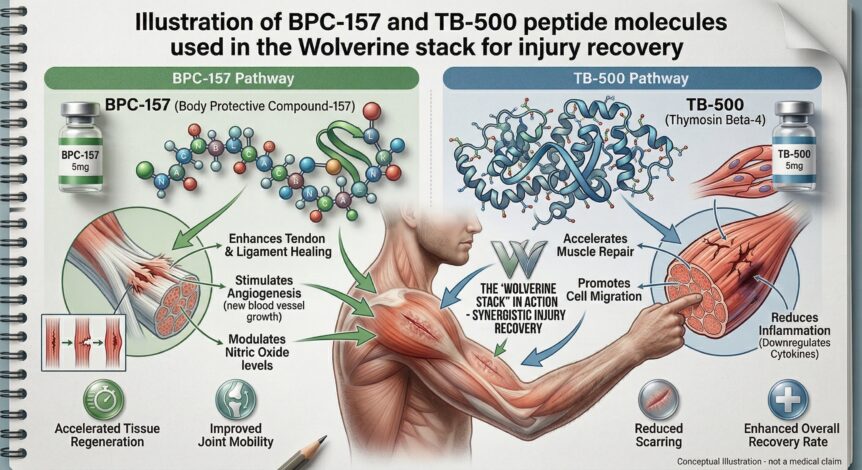
The consistency of results across multiple tissue types and over 100 studies is what makes BPC-157 notable in the peptide landscape
The evidence was based on experimental data only briefly described in the patent and included models of: gastric ulcers, heart damage, liver damage, pancreatic injury, kidney damage, experimental diabetes, fever, edema, rhinitis, bone fracture, burns, skin wounds, hypersensitivity reactions, pupil dilation, colon injury, tumour growth, radiation injury, red blood cell development, fertility and lactation, tooth damage, several types of central and peripheral nerve damage, and survival from infection with Trichinosis (i.e., tapeworms) as well as several viruses
BPC-157 is a synthetic peptide that may promote tissue repair and recovery by supporting cellular regeneration in muscles, tendons, ligaments, and organs
Its not directly comparable to BPC-157 but may complement it in dogs dealing with chronic inflammation, poor coat quality, or cognitive changes in older age