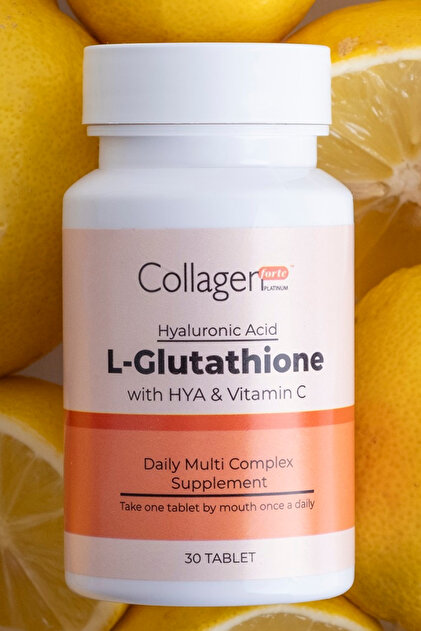
Glutathione has the following roles in the body: Neutralize free radicals and oxidative stress Reverse damage from radiation (X-rays, CT scans, UV and solar radiation) Detoxify heavy metals Detoxify biotoxins (like mold) Help reverse damage from environmental chemicals and pollution Neutralize toxins from food like charred foods and pesticides Improve liver detox pathways Research has found that the following chronic diseases are associated with a reduction in Glutathione levels: Aging Alzheimers Disease Cancer Chronic Liver Disease Cognitive Impairment Diabetes Hypertension Infertility in Both Men and Women Lupus Mental Health Disorders Multiple Sclerosis Neurodegenerative Disorders Parkinsons Disease Glutathione is made of 3 amino acids: cysteine (a sulfur amino acid), glycine, and glutamic acid
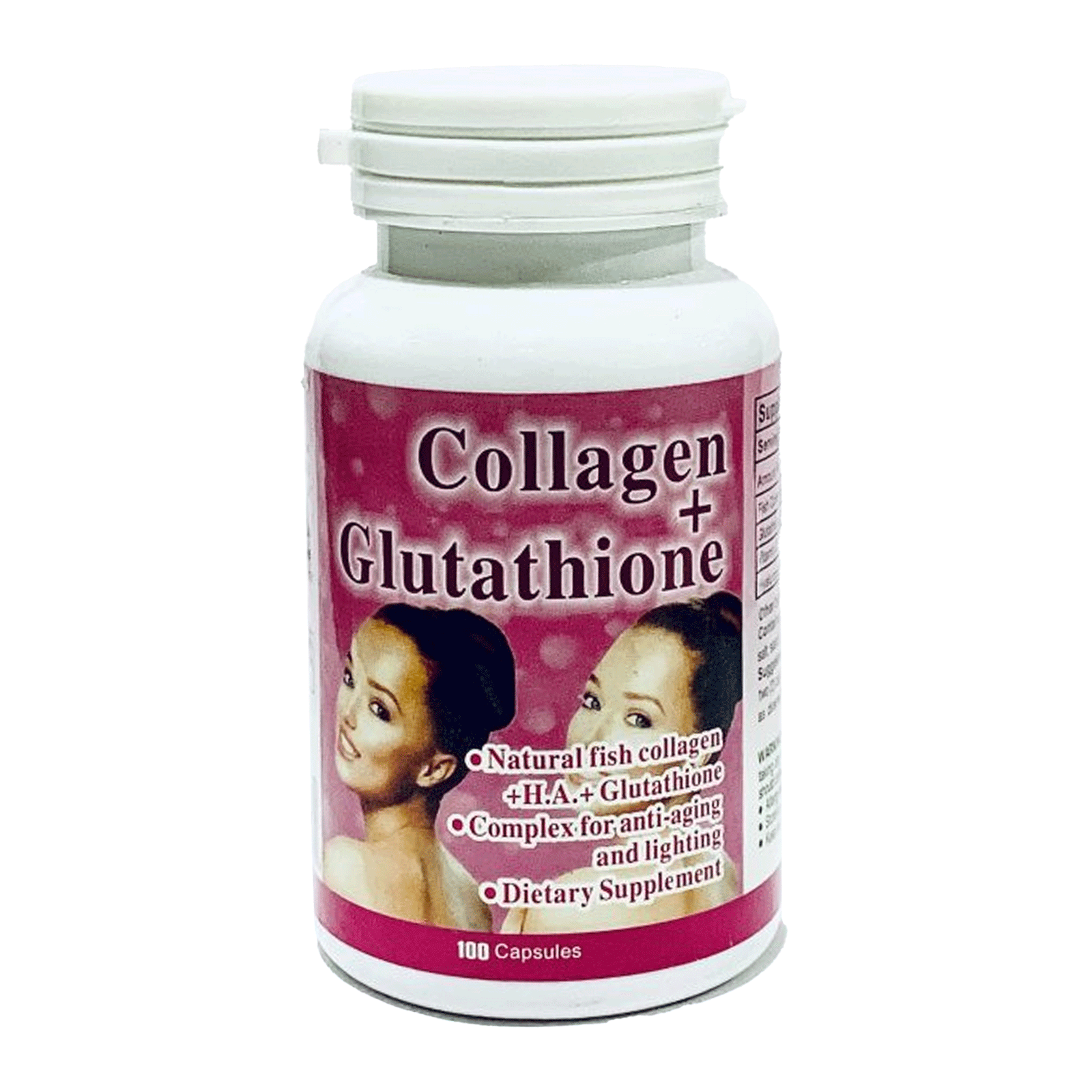
For more information and inquiries about this advisory, kindly contact the FDA Center for Food Regulation Office and Research through email [email protected] indicating on the subject, the concerned Advisory, or call (02)8857-1900 local 8105 and 8112
Sci Rep (2015) 5:10336
The hair-growth interest comes from a line of animal research: T4 was shown to increase hair growth in rats and mice by activating hair-follicle stem cells in the bulge region, per PubMed (Philp et al., 2003, DOI), with follow-up work showing faster regrowth in T4-overexpressing mice and slower regrowth in knockout mice via VEGF and P38/ERK/AKT signalling (Gao et al., 2015, DOI)