Results Cell Viability Assay Cell viability tests were performed on HaCaT keratinocytes cells with the treatment of GHK, CuCl 2 and Cu(OAc) 2 for 24, 48 and 72 h
It appears to have been impactful in mice models of cardiac disease, where the life expectancy was reported to be increased by 27% compared to control animals
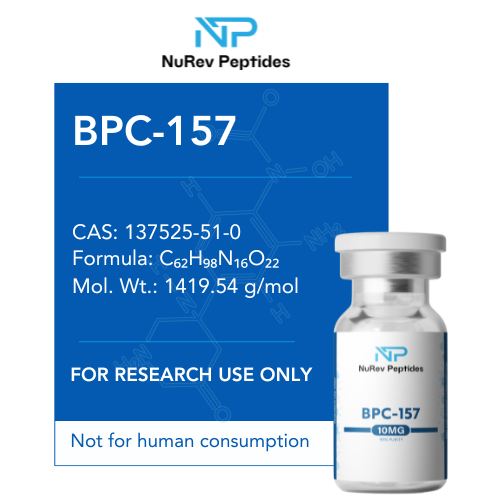
BPC-157: The Tissue Repair Catalyst Derived from : Body Protection Compound found in gastric juice Mechanism : Promotes angiogenesis (formation of new blood vessels) Enhances fibroblast migration and growth Improves collagen formation Reduces inflammatory cytokines (e.g., TNF-alpha, IL-6) Impact : Accelerates healing in tendons, ligaments, muscles, nerves, and the GI tract TB-500: The Mobility Enhancer Synthetic version of : Thymosin Beta-4 Mechanism : Increases actin production (a protein essential for cell movement and structure) Promotes wound remodeling Reduces fibrosis and scar tissue Downregulates NF-kB , a key driver of inflammation Impact : Enhances cellular repair, improves mobility, reduces joint stiffness GHK-Cu: The Skin and Anti-Aging Powerhouse Naturally found in : Human plasma, saliva, and urine Mechanism : Binds to copper and delivers it into tissues Stimulates type I and III collagen production Increases elastin , glycosaminoglycans , and keratinocyte migration Acts as an antioxidant and anti-inflammatory compound Impact : Promotes firm, elastic skin

GHK-Cu is a small peptide that naturally occurs in healthy skin