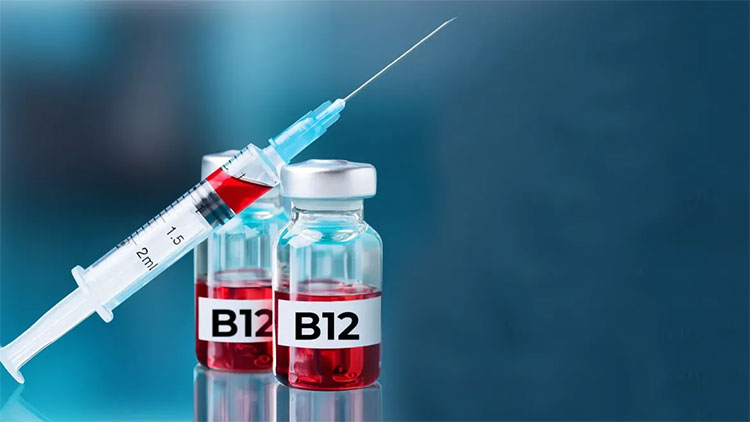
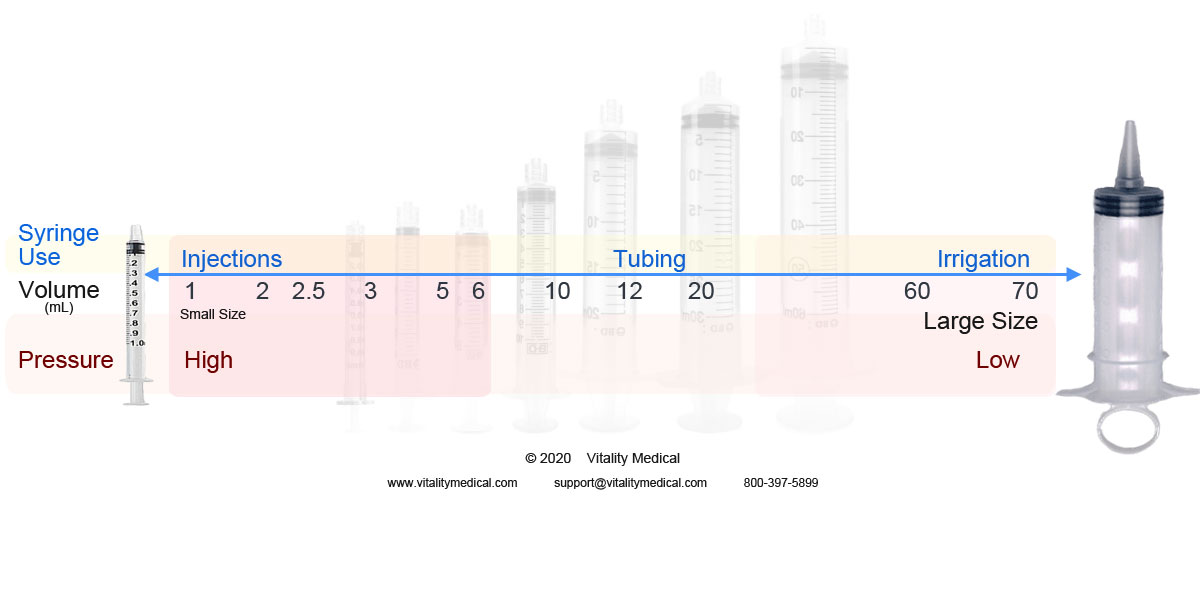
Vitamin B12 (cobalamin) plays a key role in: Making healthy red blood cells (helping prevent certain types of anaemia) Supporting nerve function Helping normal energy metabolism Supporting cognitive function and mood (when deficiency is present) Because the body doesnt produce B12, we rely on dietary sources (primarily animal products and fortified foods) and on absorption through the gut
Injections bypass digestion and deliver B12 directly into the bloodstream, providing faster and more effective results
The complete chemical structure of the molecule was determined by Dorothy Hodgkin based on crystallographic data and published in 1955 [147] and 1956, [148] for which, and for other crystallographic analyses, she was awarded the Nobel Prize in Chemistry in 1964
Research Summary by Peptide Key Research Findings by Peptide GHK-CU Research Highlights: Affects expression of over 4,000 genes 36% reduction in fine lines in clinical studies 40-60% faster wound healing vs controls Stimulates collagen I, III, and elastin production Anti-inflammatory and antioxidant effects confirmed AHK-CU Research Highlights: Activates Wnt/-catenin signaling pathway Promotes anagen (growth) phase in hair cycle May reduce DHT through 5-alpha reductase inhibition Improves follicular blood flow SRCP Research Highlights: Enhanced penetration vs first-generation Better stability in formulations Strong wound healing effects Effective scar remodeling For those prioritizing evidence-based choices, GHK-CU has the strongest research foundation