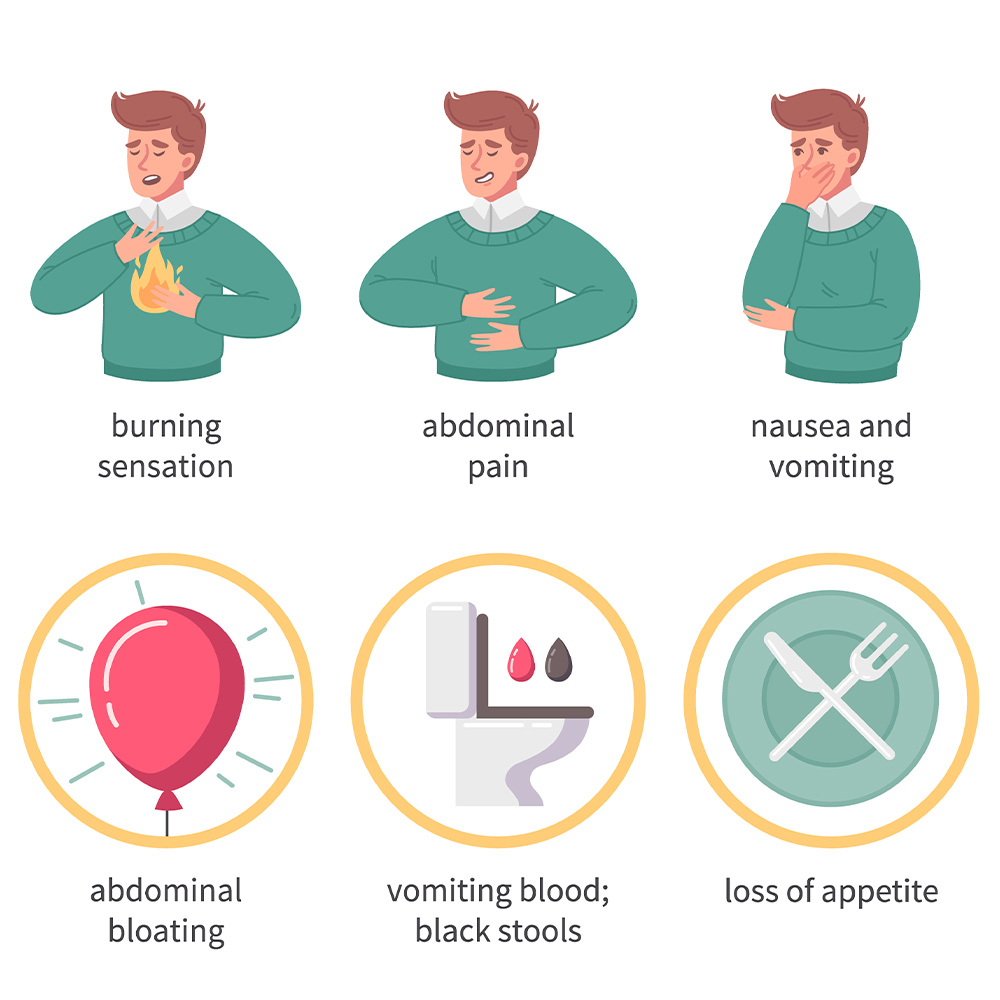
Identifying and limiting personal trigger foods reduces ongoing acid exposure even as tissue healing progresses
When it was recognized that pellagra, a condition marked by diarrhea, dermatitis, dementia, and mortality, could be treated with foods containing NAD+ precursors, particularly vitamin B3, the clinical significance of maintaining NAD+ levels was established in the early 1900s (9). Notably, the skin does not flush with NAD+ injection, in contrast to vitamin B3 (niacin) intake, which also causes this negative effect (10). Low NAD+ levels have recently been associated with a variety of age-related ailments and diseases linked to increased oxidative/free radical damage, including diabetes, heart disease, vascular dysfunction, ischemic brain injury, Alzheimers disease, and vision loss (8, 11-17)
The Pelvic Health and Rehabilitation Center is unique in that the Cofounders have always treated people of all genders and therefore have trained the team members and staff the same way
The most common adverse reaction to allopurinol is an increase in gout attacks early in therapy