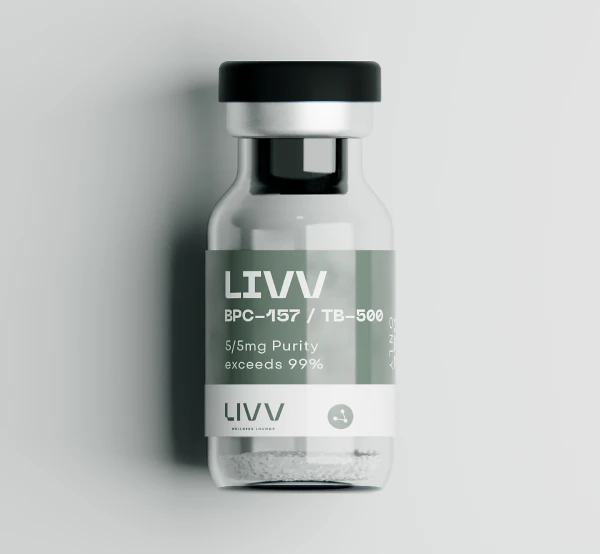
Absolute Contraindications BPC-157 is not recommended for patients with: Active cancer (any type) theoretical concern regarding angiogenesis promotion Pregnancy or breastfeeding insufficient safety data Known hypersensitivity to any component of the formulation Relative Contraindications (Require Individualized Assessment) History of cancer after completion of treatment, a waiting period and oncology clearance may be appropriate Autoimmune disease especially if active or requiring immunosuppressive therapy Anticoagulant use injection site bleeding risk, though minimal with proper technique Severe renal or hepatic impairment dosing adjustments may be needed Monitoring and Follow-Up Patients on BPC-157 protocols are monitored through: Baseline and follow-up labs including inflammatory markers (CRP, ESR), complete blood count, and metabolic panel Clinical assessments pain scores, range of motion, functional outcomes at 2-week, 4-week, and 8-week intervals Imaging when indicated repeat ultrasound or MRI for musculoskeletal conditions to document structural healing The Patient Journey: What to Expect For patients considering peptide therapy, understanding the timeline of response helps set realistic expectations
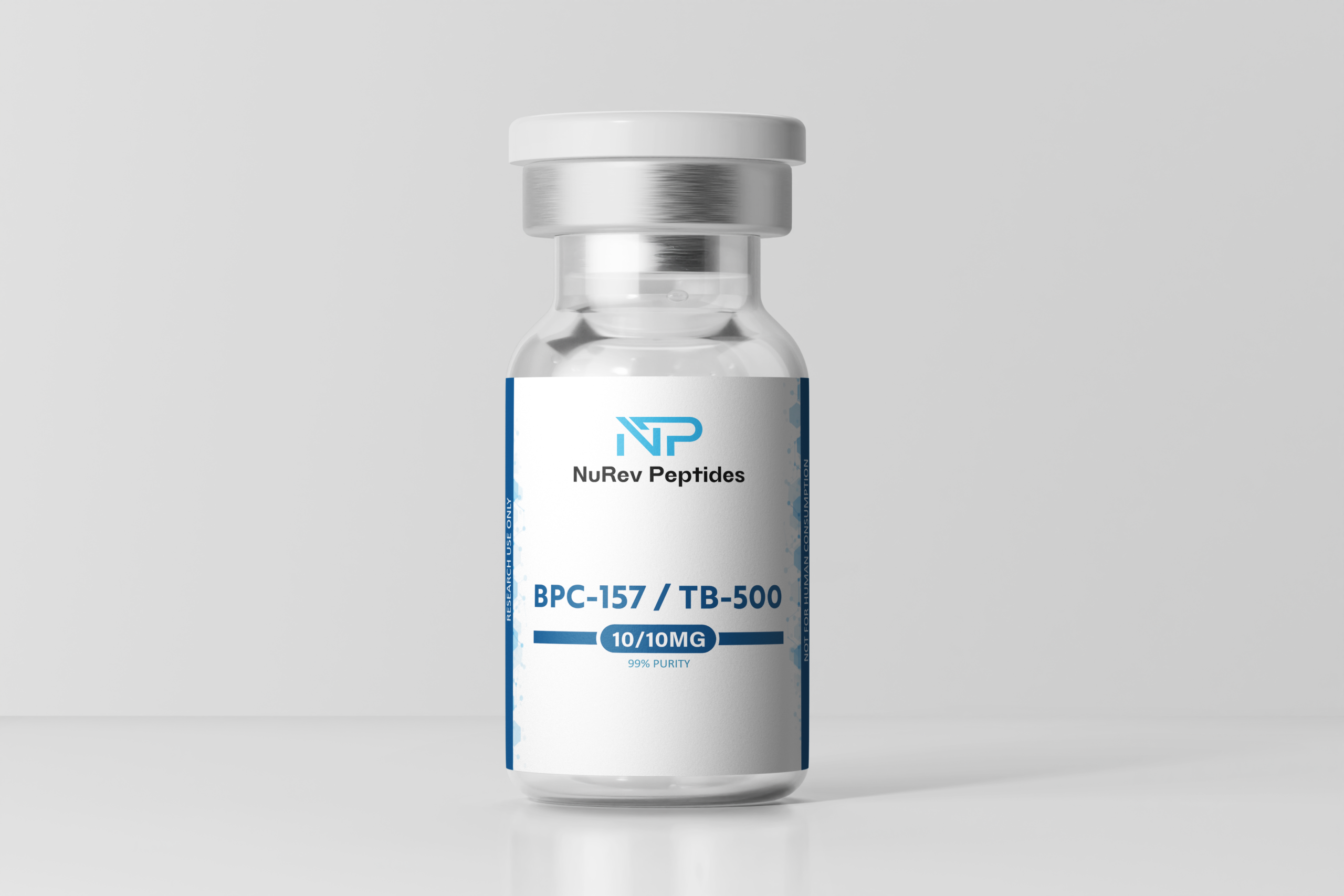
Where to Buy BPC-157 Peptide: Price and Quality Comparison Magellan RX Management independently ranks US BPC157 peptide suppliers based on cost optimization, product quality, and operational reliability
People with digestive conditions, adults over 50, and those who feel run-down, foggy, or low on energy also often look into injections
That Community Dosing Frameworks Are Evidence-Based The most commonly discussed dose range 200 to 500 micrograms per day originates from body weight extrapolation from rat studies