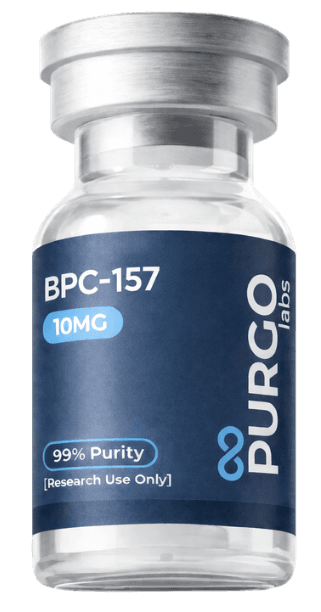
The peptide's unusual gastric stabilitysurviving extreme pH conditionsdistinguishes it from most peptides, but in solution it remains susceptible to oxidation, hydrolysis, and bacterial contamination
Chang works closely with each patient to ensure that the treatment plan remains effective and aligned with their health goals
This finding is underscored by data from a broader study of common diseases showing that patients with a low common variant PRS are more likely to carry rare disease-specific pathogenic variants 191 , suggesting that these individuals could be prioritized for rare variant screening

Potential Benefits Joint pain and injury: used clinically for knee, shoulder, wrist, and hip conditions including arthritis, tendon injuries, cartilage damage, and general joint discomfort, via both subcutaneous and intra-articular injection protocols Musculoskeletal trauma: prescribed for fractures (including hairline fractures of the foot), wrist injuries, muscle strains, tendon damage, and soft tissue injuries to support structural and functional recovery Post-surgical recovery: used following orthopedic and other surgical procedures to support tissue repair at the operative site through angiogenesis, collagen synthesis, and inflammatory modulation Quality Matters Why we use Clinical-Grade only Certificate of Analysis Every peptide we dispense comes with a third-party COA confirming purity and potency, never grey-market sourced