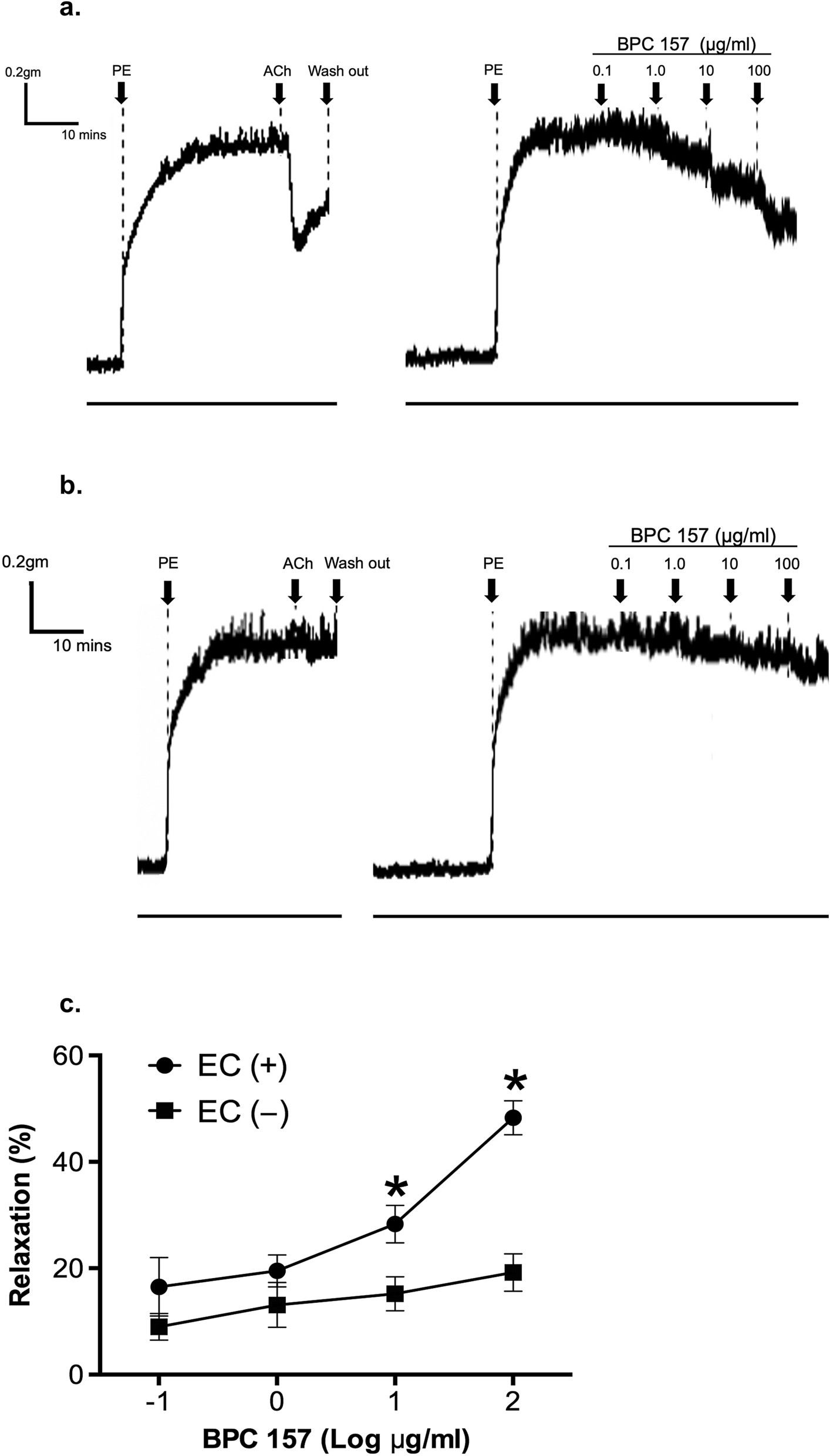
Vascular or Cardiovascular Effects (Theoretical Risk) Because BPC-157 stimulates angiogenesis and influences the nitric oxide (NO) system, some experts caution about excessive vascular growth or dysregulation in susceptible individuals
These include: Autoimmune diseases, such as hypoparathyroidism, Graves disease, myasthenia gravis, and type 1 diabetes Crohns disease HIV Vitiligo Celiac disease Having part or all of your small intestine removed Small intestine bacterial overgrowth, a condition where you have harmful bacteria in your intestines that absorb all the B12 before your intestines can Other risk factors for pernicious anemia include: Scandinavian or Northern European ancestry Family history of PA Having gastric bypass surgery (used to treat obesity), which loses cells that absorb B12 Taking medications such as antacids or drugs that treat type 2 diabetes but make it harder for your body to absorb enough B12 Pernicious Anemia Symptoms Symptoms of pernicious anemia may take years to develop because your body can store 1,000 to 2,000 times as much B12 as you need in a day

Much of the evidence to promote compounds such as BPC-157 and TB-500 comes from animal studies or lab data rather than from large-scale human trials
Thus, as at no specific point was there a recorded muscle fiber atrophy within the myotendinous area, this is likely a result of the continuously maintained function [43]


