The substrate provided in the kit can selectively react with GSH in the reaction catalyzed by glutathione S-transferase (GST) and form a fluorescent glutathione adduct
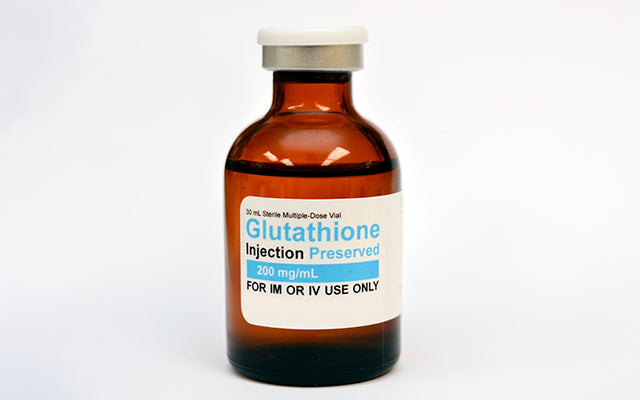
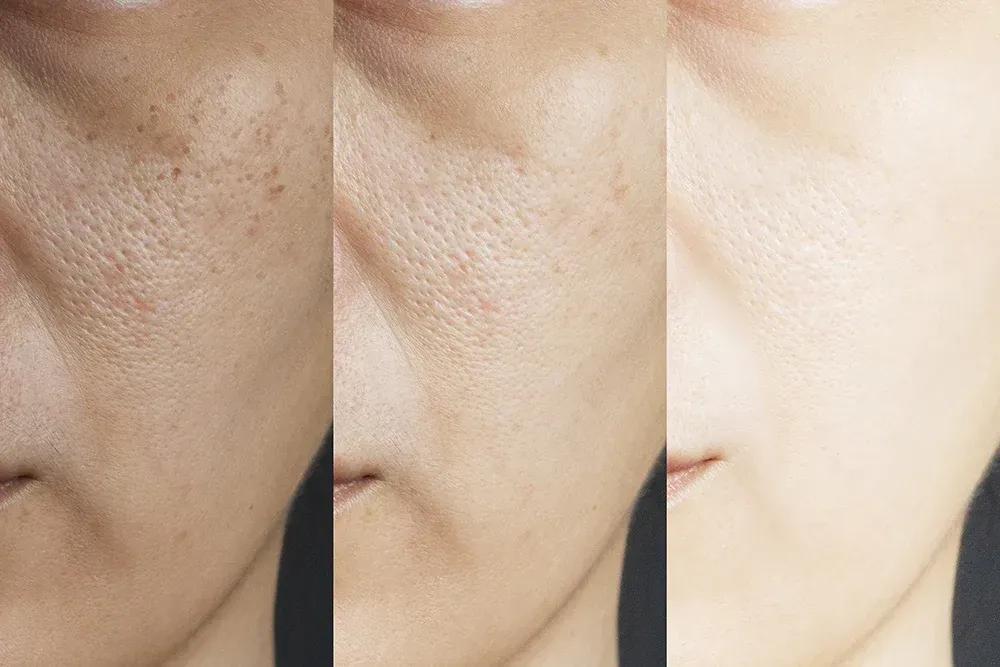
Off-label use includes reducing pigmentation, promoting an even skin tone, and supporting healthy, radiant skin
After functioning as an antioxidant, L-Glutathione converts into its oxidized form but is eventually recycled and restored to its reduced state to continue protecting the body

[ At the nanoscale, quantum effects become prominent, resulting in optical and electronic behaviours that differ markedly from their bulk counterparts [ Conventional semiconductor quantum dots (SQDs), which are commonly composed of heavy metals such as cadmium or mercury, have been widely associated with cytotoxicity due to metal ion leaching in biological environments [ A closer examination of the literature indicates that CQD-associated cytotoxicity at higher concentrations is not universal but varies considerably across experiments models and conditions [ CQDs have gained increasing relevance in biomedical science due to their distinctive optical and physiochemical properties [ Common methods for synthesising CQDs include electrochemical, hydrothermal, microwave-assisted, ultrasound-assisted, oxidation, and reduction approaches [ Beyond the synthesis route, the optical performance of CQDs is strongly governed by particle size and surface chemistry [ Although CQDs demonstrate considerable potential, their long-term toxicity, in vivo behaviour, and complex interactions within biological systems remain incompletely understood, presenting challenges regarding safe and effective clinical translation