Buckeye Hydros Drinking Water Test covers Aluminum, Arsenic, Barium, Beryllium, Boron, Cadmium, Calcium, Chromium, Cobalt, Copper, Iron, Lithium, Magnesium, Manganese, Molybdenum, Nickel, Phosphorus, Potassium, Silicon, Silver
Thank You! -Ann S
Proposed Mechanisms of Action Research suggests BPC-157 may influence tissue repair through several pathways: Angiogenesis Promotion: Upregulation of vascular endothelial growth factor (VEGF) expression in preclinical studies Enhanced blood vessel formation in wound healing models Improved blood flow to injured tissues, potentially supporting nutrient delivery Interaction with the nitric oxide (NO) pathway affecting vasodilation Growth Factor Modulation: Potential influence on fibroblast growth factor (FGF) signaling Modulation of growth hormone receptor expression in some studies Effects on collagen synthesis and extracellular matrix remodeling Anti-inflammatory Properties: Observed reduction in inflammatory markers in animal models Potential modulation of cytokine profiles Effects on neutrophil and macrophage activity in tissue injury models Mechanistically, these effects are thought to converge on the vascular and connective-tissue repair response
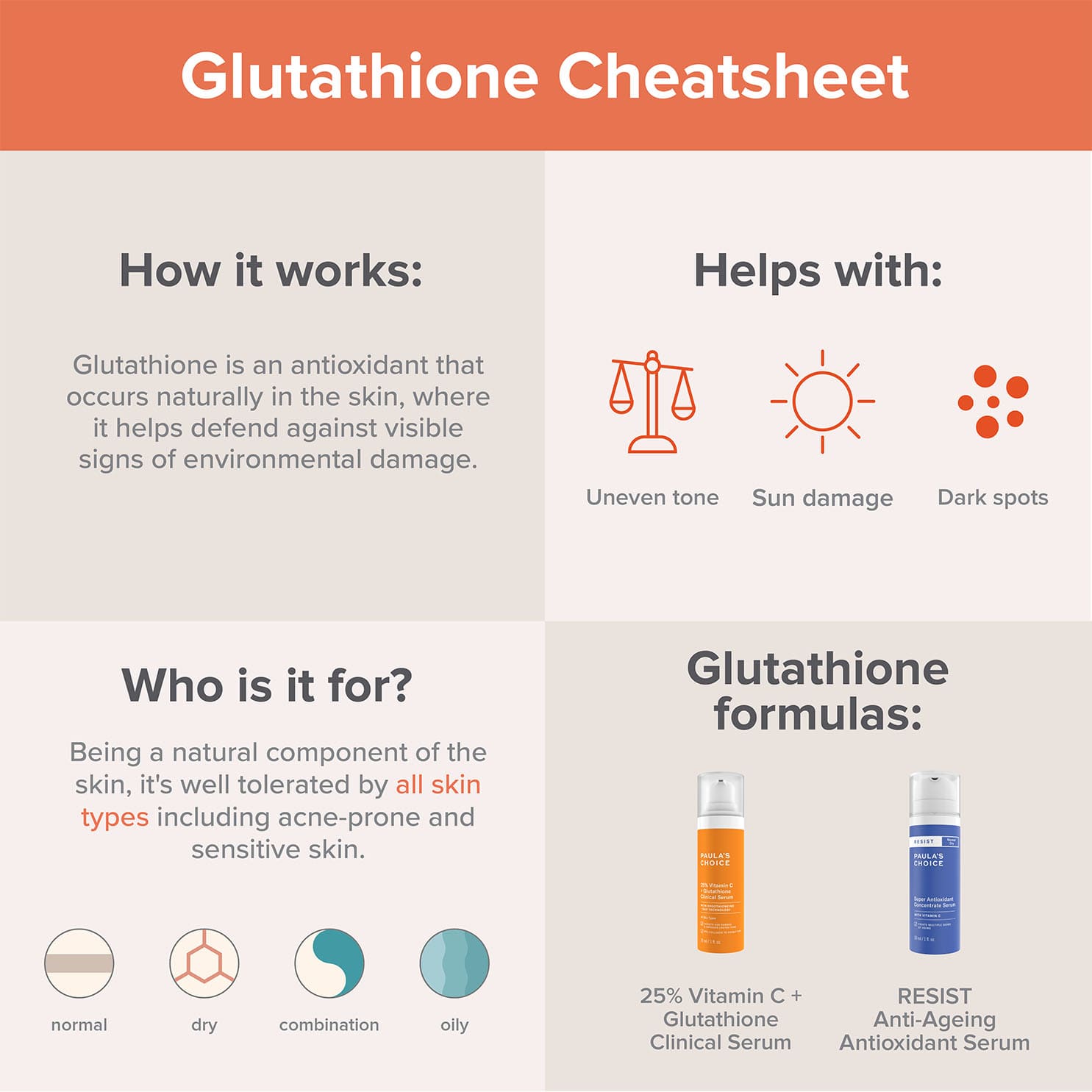
This was a surprising thing to us, with the known fact that glutathione reduces oxidative stress, but in our case the result was contradictory